Find Recovery Homes in California
Sober Living in California: Find a Certified Recovery Home Near You
California is one of the most supportive and recovery-focused states in the nation, making it an ideal place to rebuild your life in sobriety. From its year-round mild climate to its expansive public transit systems, the state offers an environment that promotes wellness, structure, and accessibility.
Whether you're transitioning from treatment or starting fresh, certified sober living in California provides the safety, accountability, and peer support necessary for lasting recovery. With thousands of AA, NA, and SMART Recovery meetings weekly, as well as access to health services and job programs, California residents are empowered to thrive.
The state also leads the way in setting high standards through organizations like CCAPP, which help ensure quality in recovery housing. If you're ready to take the next step, discover how certified sober living in California can help you build a strong foundation for a sober future.
Ready to begin your journey?
Browse Sober Homes in California →
What Is Sober Living?
Sober living homes are structured places where people in recovery from addiction can live together and support one another. These homes offer a drug- and alcohol-free environment that encourages accountability, personal growth, and daily responsibility. Unlike treatment centers, sober living doesn’t provide clinical services—instead, it focuses on building real-life skills and healthy routines in a supportive community setting.
For many, sober living is the bridge between treatment and independent living. After completing detox or rehab, returning to everyday life can feel overwhelming. Sober homes provide a middle step—offering the freedom to work, attend school, or see family while still being surrounded by people who understand the challenges of recovery.
House rules, chores, curfews, and regular meetings help create stability and structure. Guests are encouraged to attend outside recovery meetings and focus on long-term goals. In sober living in California, individuals rebuild confidence while preparing for a successful, substance-free life.
Why Choose California for Recovery Housing?
California stands out as a premier destination for recovery housing thanks to its strong infrastructure, progressive policies, and deep-rooted recovery communities. The state offers thousands of 12-step and peer support meetings weekly, plus access to outpatient programs and vocational training. Highlights include:
- Thriving Recovery Community
Thousands of 12-step, SMART Recovery, and peer support meetings are available across the state every week. - Bridge Housing (SAPC – Los Angeles County)
Provides temporary housing linked to treatment services for individuals in recovery, helping them stabilize post-treatment. - California Transitional Housing Program (THP)
Offers federally backed funding to support recovery housing for individuals overcoming opioid use disorders. - Workforce Development Boards
Connect sober living residents with job training, employment opportunities, and educational programs across the state. - Accessible Transportation & Wellness Culture
Extensive public transit, year-round mild weather, and a focus on health make it easier to maintain recovery routines.
Key Features of Sober Living Homes in California
Sober living homes in California share several core features that support stability, accountability, and long-term recovery. While amenities may vary by location and population served, these key elements define quality sober housing and help residents successfully transition to independent, substance-free living.
Structured Daily Routines
Residents follow set schedules that include wake-up times, curfews, chore rotations, and weekly meetings. This structure helps reinforce discipline, rebuild healthy habits, and reduce the risk of relapse.
Supportive Peer Community
Sober homes in California prioritize mutual support throughhouse meetings, peer check-ins, and shared responsibilities. Residents often hold one another accountable while forming meaningful, recovery-focused bonds.
Proximity to Recovery Resources
Many homes are located near outpatient programs, job assistance centers, recovery clinics, and community-based organizations. This location advantage ensures residents can attend support groups or therapy with ease.
Focus on Long-Term Sobriety
California sober homes often embrace a long-term view of recovery. Residents are encouraged to stay as long as they need, transitioning gradually to independent living while working, volunteering, or attending school.
High Standards for Health and Safety
Well-managed homes meet state-level health codes, maintain clean, hazard-free environments, and conduct regular inspections. Certified homes also equip properties with fire extinguishers, smoke detectors, and overdose prevention kits like Naloxone.
CCAPP Certified Sober Homes in California
The California Consortium of Addiction Programs and Professionals (CCAPP) is the state’s official affiliate of the National Alliance for Recovery Residences (NARR). CCAPP certification assures that sober living homes meet essential standards for governance, safety, and recovery support. Homes that earn CCAPP certification have passed detailed inspections and agreed to follow strict ethical guidelines.
Why Choose a CCAPP-Certified Recovery Home?
- Safety - Homes meet fire, health, and occupancy codes.
- State Recognition - CCAPP is endorsed by California’s Department of Health Care Services (DHCS).
- Accountability - Operators follow codes of conduct and transparency.
- Community Confidence - Certification reassures family members and treatment providers.
About CCAPP Certification
Founded in 1972, the California Consortium of Addiction Programs and Professionals (CCAPP) has grown into the state’s leading voice for quality addiction recovery services. Originally formed through the merger of two legacy organizations—CAARR (California Association of Addiction Recovery Resources) and the California Association of Alcoholism and Drug Abuse Counselors—CCAPP became a unified force for training, certification, and housing standards. Over five decades, CCAPP has expanded its mission from credentialing professionals to raising the bar for recovery residences across the state.
In 2014, CCAPP became the official California affiliate of NARR, marking a major milestone in establishing statewide sober living standards. It then launched the CCAPP Recovery Residence Certification Program, bringing national-level benchmarks to local homes.
In recent years, CCAPP has modernized its systems with digital certification portals, peer-led inspections, and ethics oversight—all designed to support transparency and safety in certified sober living in California.
CCAPP-Certified Homes Must:
- Maintain a safe, drug- and alcohol-free environment.
- Provide structured, recovery-oriented support.
- Undergo regular monitoring to ensure compliance.
Today, CCAPP continues to advocate at the state level for quality housing, offers operator trainings, and maintains one of the most comprehensive directories of certified recovery homes in the U.S.
Find a CCAPP Certified Home in California →
Types of Sober Living Homes in California
California offers several types of sober living homes designed to support individuals at different stages of recovery and with different life circumstances. These homes provide structured, substance-free environments that help residents build stability, accountability, and independence while transitioning back into daily life.
Sober Homes for Justice-Involved Individuals
These sober homes are designed specifically for individuals transitioning from incarceration or under court supervision. Sober homes for justice-involved individuals in California often work with probation, parole, or drug courts, offering structure, accountability, and support to reduce recidivism.
Many are certified, making them eligible for referrals from county agencies or reentry programs focused on rehabilitation and community reintegration.
Post-Treatment Sober Homes in California
Ideal for individuals stepping down from detox, residential rehab, or outpatient treatment, post-treatment sober homes in California provide a safe, drug-free environment that supports continued recovery.
These homes emphasize structure, peer support, and independence without providing formal clinical services. Residents maintain their sobriety while attending therapy, recovery meetings, or work, using the home as a stable base during early reintegration.
Men’s and Women’s Sober Homes
Gender-specific homes create a safe and focused space for recovery, allowing residents to build trust and community among peers with similar life experiences. Men’s sober living homes in California may emphasize vocational growth and peer mentorship, while women’s sober homes often provide trauma-informed support. These homes help eliminate distractions and promote healing through gender-specific support networks.
Family-Friendly and Specialized Homes
Some recovery residences cater to unique populations, such as parents with children, veterans, LGBTQ+ individuals, or those on Medication-Assisted Treatment (MAT). These specialized sober living homes in California provide additional accommodations or services—like childcare-friendly spaces or inclusive policies—to ensure all residents feel safe, supported, and respected as they work toward long-term sobriety.
Recovery Resources in California
California offers a wealth of statewide recovery resources that empower sober living residents to maintain sobriety, access services, and rebuild their lives.
- California Department of Health Care Services (DHCS)
DHCS oversees addiction and behavioral health services statewide, including funding and coordination of treatment programs, sober living initiatives, and Medication-Assisted Treatment (MAT) access. It also partners with certified recovery residences to support safe housing options. - Workforce Development Boards (WDBs)
Located throughout California, WDBs help residents of sober homes connect with employment, job training, resume support, and educational opportunities tailored to reentry and recovery. - California Transitional Housing Program (THP)
Funded through federal grants, THP supports transitional housing for individuals recovering from opioid use disorders. Many certified sober homes in California benefit from this funding to keep housing accessible. - 211 California
A statewide helpline and referral network that connects individuals to local resources including sober living homes, treatment programs, crisis lines, and peer support organizations—accessible by dialing 2-1-1 from any phone.
Ready to Find a Sober House?
Your recovery journey begins with a single step. Whether you're seeking structure, craving community, or ready to open a home and make a difference, we're here to help.
Take action today:
🏡 Explore Homes
Discover sober living options across the country that fit your needs.
🤝 Learn How to Open a Sober Living Home
Partner with VSL to launch your own recovery residence
Starting a Sober House in California?
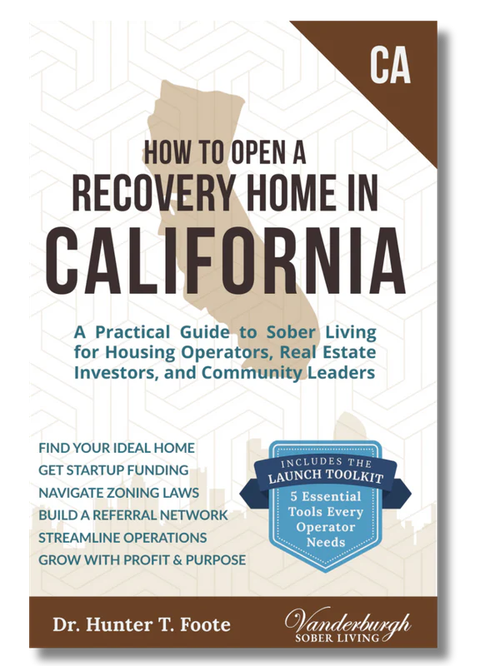
Opening a recovery home requires a clear understanding of state laws, local zoning rules, licensing requirements, funding options, and certification standards. VSL’s comprehensive guide is designed to help you build a compliant and sustainable sober living home with confidence and care. How to Open a Recovery Home in California provides a step-by-step roadmap covering zoning approval, business registration, legal compliance, operational best practices, and positive community relations, all tailored to the regulatory environment in California.