Find Recovery Homes in Alabama
Sober Living in Alabama: Find a Certified Recovery Home Near You
Alabama offers a unique and supportive environment for individuals rebuilding their lives in recovery. From its close-knit communities to its growing network of peer-supported residences, the state is quickly becoming a trusted destination for certified sober living in Alabama.
Many homes are located in quiet residential neighborhoods near public transportation, recovery meetings, and job opportunities—creating the ideal setting for long-term success. With the backing of statewide efforts like the Alabama Alliance for Recovery Residences (AARR), certified sober living in Alabama is more accessible, accountable, and recovery-focused than ever before.
Whether you’re stepping down from treatment or seeking structure in early sobriety, Alabama’s recovery housing options provide a safe, substance-free environment where individuals can grow, heal, and thrive. Explore your options and take the next step toward a brighter, healthier future in the Heart of Dixie.
Ready to begin your journey?
Browse Sober Homes in Alabama →
What is Sober Living?
Sober living is a safe, supportive housing option for individuals in early recovery from addiction. These homes offer a structured, drug- and alcohol-free environment where residents can focus on rebuilding their lives. Sober living bridges the gap between intensive treatment programs and fully independent living.
After leaving rehab, many people still need daily accountability, peer support, and a routine to help them stay on track, this is where sober living becomes essential.
Residents live together as a community, sharing responsibilities like chores and attending regular house meetings. Most homes require ongoing participation in recovery activities such as 12-Step meetings or counseling. While not clinical in nature, sober homes are designed to promote personal growth, stability, and long-term sobriety.
By providing a structured yet flexible living space, sober homes in Alabama give individuals the time and tools they need to adjust to everyday life without drugs or alcohol—one step at a time.
Why Choose Alabama for Recovery Housing?
Alabama is an ideal place for recovery housing thanks to its strong community support, accessible services, and growing recovery infrastructure. Here are the unique reasons to consider sober living in Alabama:
- Voluntary Certification with AARR
Alabama’s recovery housing is strengthened by the AARR, a nonprofit aligned with national standards through NARR. Though certification is not required, AARR provides oversight and quality assurance for certified homes. - Access to Public Programs and Resources
Through federal initiatives like the State Opioid Response (SOR) grant and housing efforts from the Alabama Department of Mental Health (ADMH), some certified homes may qualify for funding or referrals. Specialized initiatives, such as ADMH’s Housing Pilot for MAT clients, help bridge gaps in recovery housing availability. - Supportive Transportation and Accessibility
Many recovery homes are located near public transportation routes, allowing easy access to jobs, education, and recovery services—even for those without vehicles. - Strong Community and Recovery Network
Alabama has a vibrant network of recovery meetings (AA, NA, Celebrate Recovery), nonprofit programs, and peer-run organizations that provide ongoing support. Recovery-friendly communities like Birmingham, Mobile, and Huntsville are hubs for sober housing and peer engagement.
🤝 Start a Sober House in Alabama →
Key Features of Sober Living Homes in Alabama
Across Alabama, sober living homes combine daily structure with peer-based support to help residents maintain progress.
Structured Daily Routines
Sober homes in Alabama often use structured routines to promote stability. This includes curfews, house meetings, designated chores, and scheduled recovery activities like 12-Step or SMART Recovery meetings. This structure helps residents establish healthy habits and a sense of accountability.
Supportive Peer Community
Residents live in a group setting where peer support is central. Housemates encourage one another through shared experiences, mutual respect, and community living. Many homes also include house mentors or managers who foster a positive, recovery-focused environment.
Proximity to Recovery Resources
Alabama sober homes are often located near key resources such as outpatient treatment centers, employment offices, and bus lines. Close access to recovery meetings and services makes it easier for residents to maintain progress and access what they need.
Focus on Long-Term Sobriety
Most Alabama sober homes are designed for stays of several months or longer. They emphasize gradual transitions back to independent living, often using phased privileges, relapse prevention plans, and life skills training to build resilience over time.
AARR Certified Sober Homes in Alabama
The Alabama Alliance for Recovery Residences (AARR) is the state’s official affiliate of the National Alliance for Recovery Residences (NARR). Founded in 2021, AARR certifies sober homes that meet rigorous national standards across four levels of care—from fully peer-run homes to supervised transitional residences.
AARR’s voluntary certification ensures homes offer safe, structured environments that support sustained sobriety and neighbor-friendly operations. While not required by law, AARR certification is increasingly sought after by referral agencies, hospitals, courts, and families looking for quality care.
Why Choose an AARR-Certified Sober Home?
- Safety
Certified sober homes follow strict guidelines for housing safety, including fire prevention, cleanliness, and drug-free living environments—giving residents and families greater peace of mind. - State and National Recognition
Certification through AARR aligns with national NARR standards, signaling that the home is recognized for meeting trusted recovery housing benchmarks. - Accountability Through Standards
Certified homes operate under clear rules, policies, and oversight, promoting consistency, ethical practices, and reliable peer support. - Community Confidence in Quality
When a home is certified, neighbors, courts, treatment providers, and referral sources can trust that it meets a higher standard—encouraging community support and reducing stigma.
About Certification
AARR was created by Alabama recovery leaders to provide oversight and raise the bar for sober living quality. Its certification reflects a home’s commitment to best practices and provides a competitive edge for referrals and funding.
Find an AARR Certified Home in Alabama →
Types of Sober Living Homes in Alabama
Sober living homes in Alabama are available in several forms, each designed to support a specific recovery transition.
Sober Homes for Justice-Involved Individuals
Sober homes for justice-involved individuals in Alabama provide a structured, supportive environment for people transitioning from incarceration or navigating probation and parole.
These homes often collaborate with drug courts, reentry programs, and parole officers to offer accountability and stability. Residents benefit from a focus on rehabilitation, life skills, and reintegration—making them a vital part of Alabama’s effort to reduce recidivism and support long-term recovery.
Post-Treatment Sober Homes in Alabama
Post-treatment sober homes in Alabama serve individuals who have recently completed inpatient rehab or detox programs. These homes help residents maintain sobriety as they re-enter daily life with added structure and support.
Featuring regular drug testing, house meetings, and peer accountability, post-treatment sober living is a crucial next step for those who need continued guidance after formal treatment, but aren’t yet ready for full independence.
Men’s and Women’s Sober Homes
Gender-specific sober living homes in Alabama allow individuals to recover in environments that feel safer and more relatable. Men’s sober homes often focus on personal accountability, job readiness, and brotherhood, while women’s sober homes may incorporate trauma-informed care and parenting support.
By providing separate, supportive spaces, these homes promote healing and connection among residents with shared life experiences.
Family-Friendly and Specialized Homes
Family-friendly and specialized sober homes in Alabama meet the needs of residents with children, veterans, or individuals on Medication-Assisted Treatment (MAT). These homes may offer flexible policies, childcare accommodations, or tailored recovery plans.
By addressing specific needs, they make recovery housing more inclusive and accessible, ensuring that all individuals—regardless of background—can find a supportive path toward long-term sobriety in Alabama.
Recovery Resources in Alabama
Alabama offers a range of statewide resources to support individuals living in sober homes. These programs and organizations help residents access recovery services, employment, health care, and community connection.
- Alabama Department of Mental Health (ADMH)
ADMH leads the state’s recovery efforts, offering access to outpatient services, peer support, and housing initiatives funded through federal grants like the State Opioid Response (SOR) program. - 211 Connects Alabama
Operated by United Way, this statewide helpline connects individuals to recovery housing, treatment providers, counseling, and basic needs resources through a free, searchable directory. - Not One More Alabama (NOMA)
NOMA is a grassroots organization offering education, support, and resource navigation for families affected by addiction. Their public sober home directory helps residents find trusted recovery housing. - Alabama Career Centers / Workforce Development
Through the Alabama Department of Labor, these centers help sober home residents find employment, training programs, and educational opportunities to support financial independence during recovery.
Ready to Find a Sober House in Alabama?
The right sober house gives you structure, accountability, and people who understand what early recovery takes. Browse sober living homes across Alabama to compare locations, house rules, and openings, and find the one that fits where you are in your recovery.
Starting a Sober House in Alabama?
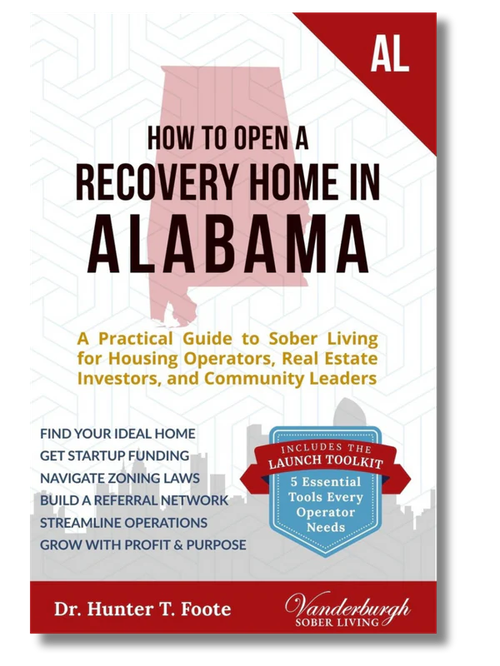
Opening a recovery home requires a clear understanding of state laws, local zoning rules, licensing requirements, funding options, and certification standards. VSL’s comprehensive guide is designed to help you build a compliant and sustainable sober living home with confidence and care. How to Open a Sober Living Home in Alabama provides a step-by-step roadmap covering zoning approval, business registration, legal compliance, operational best practices, and positive community relations, all tailored to the regulatory environment in Alabama.
📘 Get the Book: How to Open a Sober Living Home in Alabama →