Find Recovery Houses in Michigan
Sober Living in Michigan: Find a Certified Recovery House Near You
Michigan has a strong, growing recovery community, from metro areas like Detroit, Grand Rapids, and Lansing to smaller towns where peer support can feel especially close-knit. If you’re looking for a safe, structured place to rebuild stability, sober living in Michigan can offer the accountability, community, and day-to-day support that helps recovery “stick.”
Ready to begin your journey?
Browse Sober Homes in Michigan →
What Is Sober Living?
Sober living (sometimes called Michigan recovery housing or a recovery residence) is a supportive, drug- and alcohol-free home for people who want structure and accountability while rebuilding their lives. Residents typically follow house rules, participate in recovery supports (like meetings or outpatient care), contribute to chores, and practice healthy routines.
Unlike inpatient treatment, sober living in Michigan is community-based, people work, attend school, and handle daily responsibilities while living with peers who share similar goals. Many sober homes also encourage goal-setting, curfews, and regular check-ins so residents can strengthen consistency, rebuild trust, and transition into independent living with stronger stability.
Why Choose Michigan for Sober Living?
Michigan offers several advantages for people seeking sober housing, especially for those who want strong community supports and expanding recovery infrastructure.
- Growing statewide investment in recovery housing. Michigan has made major, public commitments to expand recovery housing capacity, including initiatives connected to opioid settlement funding and state housing programs. This matters for prospective residents and families because it signals increasing availability and stronger quality expectations in Michigan sober housing.
- Access to recovery meetings and peer support networks. Michigan has a wide footprint of recovery meetings and peer-led supports, including statewide AA and NA resources, plus Recovery Community Organizations (RCOs) across many regions. If you’re searching “recovery homes near me,” being close to consistent meetings and peer support can be a game-changer for day-to-day momentum.
- Regional job markets and workforce pathways. Many residents choose sober living in Michigan while re-entering the workforce. Michigan’s workforce development resources and local training programs can help residents strengthen employment stability—often a key predictor of long-term recovery success.
- Transportation options in major regions (and practical access elsewhere). While transportation varies by county, Michigan’s larger metro areas generally offer public transit systems and shared-ride options that can support employment, appointments, and recovery meetings. For rural areas, sober homes often focus on house routines and local support networks to reduce barriers.
🤝 Start a Sober House in Michigan →
Key Features of Sober Living Homes in Michigan
Recovery housing in Michigan focuses on creating consistent, real-world living environments that support progress beyond treatment.
Structured Daily Routines
Most sober living homes in Michigan emphasize routine, consistent wake times, curfews, chore schedules, and expectations around employment, school, or program participation.
This structure reduces chaos, supports healthier habits, and helps residents rebuild reliability over time. For many people, predictable routines are the bridge between treatment and truly independent living.
Supportive Peer Community
Sober living is built around peer support. Living with others in recovery creates daily accountability and a shared culture of progress. Residents often encourage each other to attend meetings, keep commitments, and address challenges early.
If you’re searching for “Michigan recovery housing,” this peer environment is one of the most practical benefits; support is not occasional; it’s daily.
Proximity to Recovery Resources
Strong sober homes don’t operate in isolation. Many are located near recovery meetings, outpatient services, peer recovery organizations, and community supports. Being close to resources makes it easier to stay consistent, especially early on.
When comparing Michigan sober housing options, ask what supports are nearby and what the home expects residents to engage in.
Focus on Long-Term Sobriety
The best sober homes are not just about avoiding substances; they’re about building a sustainable life. Many residents work on stability milestones like employment, budgeting, healthy relationships, and personal responsibility. Homes often encourage goal-setting and steady progress, so residents leave with more than sobriety—they leave with a plan.
Clear House Expectations and Accountability
Most Michigan sober living homes set clear expectations around sobriety, behavior, visitors, and respectful living. Accountability may include check-ins, house meetings, peer feedback, and consequences for rule violations. This clarity matters for safety and community confidence—especially for families evaluating certified recovery homes.
MARR Certified Sober Homes in Michigan
Michigan’s key recovery housing certification body is the Michigan Association of Recovery Resources (MARR). MARR is Michigan’s statewide affiliate of the National Alliance for Recovery Residences (NARR) and is widely recognized as the primary standards-based certification pathway for recovery residences in the state.
In practical terms, MARR certification helps people identify recovery homes that meet clear operational and ethical expectations, a major advantage when families are comparing options online.
Certification matters because sober living is not “one size fits all.” A certified recovery home is typically more transparent about house rules, resident expectations, safety practices, and accountability. If your top priority is confidence and clarity, looking for MARR certified recovery homes is often a strong starting point.
Why Choose a Certified Sober Home?
- Safety: Clear rules, safer living expectations, and operational standards
- State Recognition: A commonly recognized certification pathway in Michigan recovery housing
- Accountability: Ongoing expectations that support consistency and quality
- Community Confidence: Helps families and referral partners identify higher-trust options
About Certification
MARR exists to strengthen Michigan recovery housing quality through standards-based certification and ethical practices aligned with NARR. Its purpose is to promote safe, supportive recovery residences and help residents, families, and referral partners make more informed choices.
Find a Certified Home in Michigan →
Types of Sober Living Homes in Michigan
People looking for sober living in Michigan can choose from housing types based on supervision status, treatment history, or support needs.
Sober Homes for Justice-Involved Individuals
Some Michigan sober homes are experienced in serving people returning from incarceration or under supervision. These homes often focus on structure, predictable routines, and connections to reentry supports like employment services, benefits navigation, and case management. If you’re searching for “reentry sober housing Michigan,” look for homes that understand supervision requirements and reentry planning.
Post-Treatment Sober Homes
Post-treatment sober living is ideal for people stepping down from detox, residential treatment, or intensive outpatient programs. These homes typically emphasize accountability, meeting attendance, and stability habits—while residents rebuild independence. Many people searching “sober living in Michigan after rehab” want a place that supports follow-through on treatment goals.
Men’s and Women’s Sober Homes
Michigan recovery housing frequently includes men-only and women-only environments. This can reduce distractions, improve comfort, and create a stronger peer culture, especially early in recovery. When choosing between options, consider your support needs, safety preferences, and the type of community you’ll thrive in.
Family-Friendly and Specialized Homes
In some areas, homes may offer family-friendly arrangements or specialized supports (such as housing that better fits people with co-occurring mental health needs). Availability can vary by region, so it’s important to ask directly what a home can accommodate and what supports are nearby.
Recovery Resources in Michigan
Sober living works best when residents are connected to consistent recovery supports. Michigan offers a range of resources that many sober home residents use to build stability and long-term success, especially when paired with employment, healthcare, counseling, and peer support.
Common support pathways include:
- Recovery Meetings (AA, NA, SMART Recovery)
Many residents attend local meetings multiple times per week. Meeting consistency helps build community, reduce isolation, and reinforce accountability. - Job & Education Support (Michigan workforce development resources)
Employment is often a key milestone in Michigan recovery housing. Local workforce centers, training programs, and educational pathways can help residents rebuild stability and confidence. - Health & Counseling Services (state coverage and local clinics)
Residents may use Medicaid coverage (when eligible), community mental health supports, counseling, and outpatient services as part of their recovery plan. - Community-Based Peer Support (recovery centers, nonprofits, RCOs)
Peer recovery organizations and recovery community networks can help residents find coaching, groups, and local events that reinforce long-term recovery.
Ready to Find a Sober House in Michigan?
The right sober house gives you structure, accountability, and people who understand what early recovery takes. Browse sober living homes across Michigan to compare locations, house rules, and openings, and find the one that fits where you are in your recovery.
Starting a Sober House in Michigan?
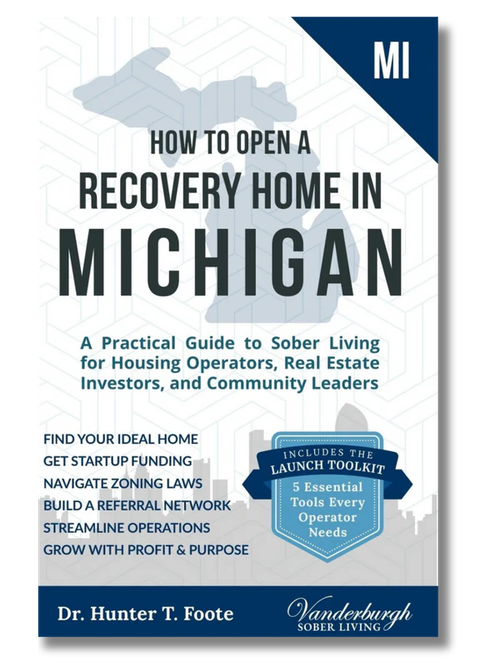
Opening a recovery home requires a clear understanding of state laws, local zoning rules, licensing requirements, funding options, and certification standards. VSL’s comprehensive guide is designed to help you build a compliant and sustainable sober living home with confidence and care. How to Open a Sober Living Home in Michigan provides a step-by-step roadmap covering zoning approval, business registration, legal compliance, operational best practices, and positive community relations, all tailored to the regulatory environment in Michigan.
📘 Get the Book: How to Open a Sober Living Home in Michigan →