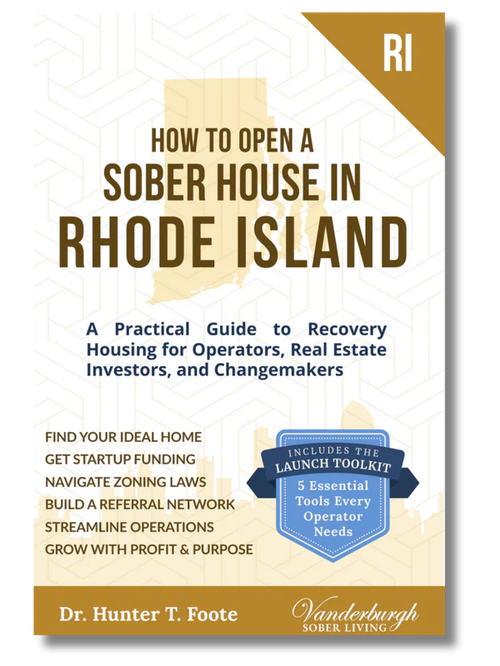
How to Start a Sober Living Home in Rhode Island
Thinking about opening a sober living home in Rhode Island? Certification is one step. Vanderburgh Sober Living helps operators work through the property, the entity, the policies, the certification application, and filling the beds.
Rhode Island sober living certification is managed by the Rhode Island Communities for Addiction Recovery Efforts (RICARES), the state's recognized affiliate of the National Alliance for Recovery Residences (NARR). That connection to national standards creates a consistent framework built on safety, structure, and accountability.
This guide explains who certifies sober living homes in Rhode Island, what certification means in practice, and how to verify a sober living home's status. Whether you're a resident, family member, or referral partner, understanding certification helps you distinguish verified sober homes from those that simply claim to offer recovery housing.
Who Certifies Sober Living Homes in Rhode Island?
Sober living home certification in Rhode Island is handled by a single, recognized organization that aligns with national standards and works with the state.
- Rhode Island Communities for Addiction Recovery Efforts (RICARES): The official certification agency for sober living homes in Rhode Island
- NARR affiliate: Yes, RICARES is recognized as the Rhode Island NARR affiliate
- Role: Implements and oversees sober house certification using national recovery housing standards
- Official certification program confirmation: Rhode Island Department of Behavioral Healthcare, Developmental Disabilities and Hospitals (BHDDH) identifies RICARES as the agency responsible for certification
- Certified sober living home listings: Rhode Island state materials reference a public list of certified recovery houses maintained through RICARES
RICARES certification in Rhode Island is the primary way sober living homes are evaluated against established recovery housing standards. For residents and referral partners, this provides a clear and consistent point of verification.
What Sober House Certification Means in Rhode Island
Sober house certification in Rhode Island is a way to confirm that a sober living home follows recognized standards for safety, structure, and recovery support.
At a general level, certification reflects:
- Standards and accountability: Certified sober homes are reviewed against established sober house criteria
- Safety and environment: Sober homes are expected to provide a sober, stable, and healthy living space
- Ethical practices: Certification aligns with a code of ethics that emphasizes respect for residents and recovery-focused decision-making
- Consistency across sober living homes: Certification helps create more predictable and structured environments across different sober houses
Certification also helps distinguish between two types of sober living homes:
- Certified sober living homes: Verified through RICARES and aligned with national standards
- Unverified sober living homes: May claim to offer sober living, but are not confirmed through an official certification process
This distinction is important because certification is not just a label. In Rhode Island, it is directly tied to how sober living homes are evaluated and how referrals are made.
Why Rhode Island Sober House Certification Matters
Understanding why sober living certification matters can help residents, families, and professionals make better housing decisions.
For Residents
Certification may point to a more structured and recovery-focused living environment.
- Certified Rhode Island sober homes are designed to support people in recovery through stable, alcohol- and drug-free housing
- They are aligned with standards that emphasize peer support and connection to recovery resources
- The structure may help residents build routines and strengthen long-term recovery habits
For Families
Certification can provide more confidence when evaluating sober living options.
- It offers a way to confirm that a recovery home follows recognized standards
- It reduces uncertainty when comparing different housing options
- It signals that the sober house is part of a larger system focused on recovery support
For Referral Sources
Certification plays an important role in professional decision-making.
- Rhode Island requires state-funded referrals to go to certified sober living homes that meet national standards
- Certification supports consistency when placing individuals into sober housing
- It provides a verified framework for trust, oversight, and accountability
For referral partners, this makes Rhode Island sober house certification more than a preference. It becomes part of how placement decisions are made within the system.
About NARR and Why It Matters in Rhode Island
The National Alliance for Recovery Residences (NARR) is the organization that defines national standards for recovery housing.
NARR works with state-level affiliates like RICARES to implement these standards locally. These affiliates are responsible for certifying sober living homes and helping ensure that they meet consistent expectations.
NARR standards focus on areas such as:
- Safe and healthy living environments
- Resident rights and ethical practices
- Recovery support and peer-based living
- Being a responsible part of the surrounding community
In Rhode Island, RICARES certification is built on this national framework. This connection helps ensure that sober living homes follow a recognized and structured approach to recovery housing.
How to Open and Certify a Sober Living Home in Rhode Island
Opening and certifying a sober living home in Rhode Island starts with building a sober, supportive environment and following the RICARES certification process.
Opening a New Sober House in Rhode Island
Before applying for certification, operators typically prepare the sober living home and its structure to align with recovery housing expectations.
- Establish a sober living model. The sober living home is set up as an alcohol- and drug-free environment that supports people in recovery.
- Create a house structure and expectations. Operators develop house rules, routines, and expectations that support a recovery-focused lifestyle.
- Prepare a supportive living environment. The sober house is organized to provide a safe, stable, and healthy setting for residents.
- Align with recovery housing standards. The overall model is designed to reflect national standards used by NARR and implemented by RICARES.
If you are looking for detailed, step-by-step guidance on opening a sober living home in Rhode Island, learn more here: How to Open a Sober Living Home in Rhode Island
Obtaining RICARES and State Certification
Once the recovery home is prepared, the certification process connects the operator to the official state-recognized system.
- Apply through RICARES. The operator submits an application to Rhode Island Communities for Addiction Recovery Efforts.
- Complete certification review. The sober house is evaluated against recovery housing standards tied to the NARR framework.
- Meet certification expectations. The recovery home demonstrates alignment with safety, structure, and recovery support principles.
- Receive certification status. Once approved, the sober living home becomes part of the certified recovery housing network in Rhode Island.
- Maintain certification over time. Sober homes are expected to continue meeting standards to remain certified.
For a step-by-step breakdown of certifying a sober living home in Rhode Island, see our full guide here: How to Certify a Sober House in Rhode Island
How to Verify a Certified Sober Living Home in Rhode Island
Verifying whether a sober living home is certified in Rhode Island is a straightforward process when you rely on official sources.
To confirm certification:
- Check the official certification authority: Rhode Island identifies RICARES as the agency responsible for certification
- Look for the sober living home on a certified list: State materials reference a public list of certified sober living homes connected to RICARES
- Confirm current status: Make sure the sober house appears on the most recent available list or directory
- Review available details: Look for any information about the sober home’s certification status or standing
- Contact the certifying body if needed: If information is unclear, reaching out to the certification agency can help confirm accuracy
Rhode Island also provides a complaint and grievance pathway through RICARES for concerns related to recovery housing. This adds another layer of accountability for certified sober living homes.
Ready to Certify Your Sober House in Rhode Island?
Certifying a sober living home in Rhode Island involves understanding how the system works, meeting established standards, and following a clear process through RICARES. It may take planning and preparation, but it creates a stronger foundation for long-term success.
With the right structure in place, sober living homes in Rhode Island may provide safe, stable, and supportive environments for people rebuilding their lives in recovery.
If you are ready to take the next step, learn more in our detailed guide on opening and certifying a sober living home in Rhode Island, including what to expect and how to prepare.