How to Start a Sober Living Home in New Jersey
Thinking about opening a sober living home in New Jersey? A license is one step. Vanderburgh Sober Living helps operators work through the property, the entity, the policies, the application, and filling the beds.
New Jersey does not have a confirmed NARR affiliate in place. Instead of a single certification authority, it relies on a different structure that centers on state licensing and oversight for certain types of sober living homes.
This guide is designed for residents, families, and referral partners who want to understand how sober house certification in New Jersey actually works. It focuses on what is officially in place, what those systems mean in practice, and how to evaluate whether a sober living home in New Jersey is credible.
Does New Jersey Have a NARR Affiliate for Sober House Certification?
New Jersey does not have a confirmed NARR affiliate for sober house certification.
The National Alliance for Recovery Residences (NARR) maintains a network of state affiliates that certify recovery residences using national standards. However, New Jersey is not listed among those affiliates, and NARR’s own certification guidance explains that states without an affiliate do not follow the same certification pathway.
In practice, this means oversight comes from state-level regulation, particularly through licensing systems tied to rooming and boarding house laws.
Because of this structure, residents and families cannot rely on a NARR certification badge in the state. They need to use alternative ways to verify whether a sober house in New Jersey is legitimate and properly overseen.
What Sober House Certification Means in New Jersey
Rather than a formal certification system, New Jersey uses a state licensing framework for certain types of sober living homes. The most clearly defined category is the Class F cooperative sober living home, which is regulated under the state’s rooming and boarding house system.
In this context, what people often call “certification” is more accurately:
- State licensure through the New Jersey Department of Community Affairs (DCA)
- Ongoing inspections and compliance checks
- Adherence to specific operational and safety requirements
This means the key distinction in New Jersey is not “certified vs. uncertified” in the NARR sense, but:
- Licensed and regulated sober living homes
- Unverified or unregulated sober houses
Understanding that difference is critical when evaluating sober living options in New Jersey.
Why This Matters When Choosing a Sober Living Home in New Jersey
Choosing a sober living home in New Jersey requires a different approach because there is no single certification system to rely on.
For Residents
Residents benefit from understanding what oversight actually looks like in New Jersey. Licensed cooperative sober living homes are subject to inspections, operational rules, and safety requirements. These may include structured expectations and screening policies.
Without a certification badge to rely on, residents should focus on whether a sober living home in New Jersey follows clear rules, maintains structure, and operates within a recognized framework.
For Families
Families often look for reassurance that a sober house in New Jersey is safe and trustworthy.
In the absence of a NARR affiliate, that reassurance comes from:
- Confirming whether the sober living home in New Jersey is licensed
- Understanding how it is monitored
- Reviewing how it handles safety, incidents, and daily operations
This shifts the focus from labels to real, verifiable oversight.
For Referral Sources
For professionals placing individuals into sober living, due diligence becomes even more important.
Reliable referral sources should prioritize sober houses that can demonstrate licensing, compliance, and accountability through state systems or recognized operational models.
Without a centralized certification authority, referral decisions rely more heavily on verification and direct confirmation.
What Verification Options Exist for a Sober House in New Jersey?
New Jersey does have formal oversight, but it operates through licensing rather than certification.
The primary oversight system involves the New Jersey Department of Community Affairs (DCA), specifically the Bureau of Rooming and Boarding House Standards.
Key elements of this system include:
- Licensing of cooperative sober living residences as Class F facilities
- Inspections that evaluate safety and living conditions
- Ongoing oversight tied to license renewal
- Requirements for incident reporting and operational standards
New Jersey law also requires:
- Regular inspections, including unannounced visits
- Public reporting mechanisms tied to licensed facilities
- A requirement for the state to maintain a list of licensed cooperative sober living residences
These systems provide a practical way to assess whether a sober living home in New Jersey is operating under recognized oversight.
About NARR and Why the Missing NARR Affiliate in New Jersey Matters
The National Alliance for Recovery Residences sets national standards for recovery housing and works through state affiliates to certify sober living homes.
In states with an affiliate, certification follows a clear, standardized process tied to those national standards. New Jersey does not currently operate within that structure.
This matters because it changes how credibility is evaluated. Without a NARR affiliate, residents and families need to rely on state licensing systems and other verification methods rather than a unified certification model.
How to Verify Whether a Sober Living Home in New Jersey Is Legitimate
Verifying a sober living home in New Jersey requires a practical, step-by-step approach based on available oversight systems.
Start by checking whether the sober house is licensed in New Jersey:
- Contact or review information from the DCA Bureau of Rooming and Boarding House Standards
- Confirm whether the sober living home operates as a Class F cooperative sober living residence
Then look at oversight indicators:
- Inspection history or compliance status (when available)
- Evidence of structured operations and safety procedures
- Transparency about licensing and oversight
If information is unclear, contacting the appropriate state office directly is often the most reliable way to confirm legitimacy.
What to Ask Before Choosing a Sober Living Home in New Jersey
Asking the right questions can help you evaluate whether a sober house in New Jersey is credible and well-managed.
Start with basic verification:
- Is this sober living home in New Jersey licensed or recognized under any state system?
- How is the sober house monitored or inspected?
Then focus on structure and daily operations:
- What house rules are in place?
- How are expectations enforced?
- What happens if issues or violations occur?
You can also ask about:
- How complaints or incidents are handled
- Whether the sober house follows a consistent recovery-focused structure
- What level of oversight or accountability exists
These questions help shift the focus from labels to real-world operations.
Need Help Evaluating a Sober Living Home in New Jersey?
Finding a trustworthy sober living home in New Jersey can feel more complex without a formal certification system.
Even without a NARR affiliate, there are still clear ways to evaluate credibility by focusing on licensing, oversight, and how a recovery home operates day-to-day. Understanding what to look for can make a major difference in choosing the right environment.
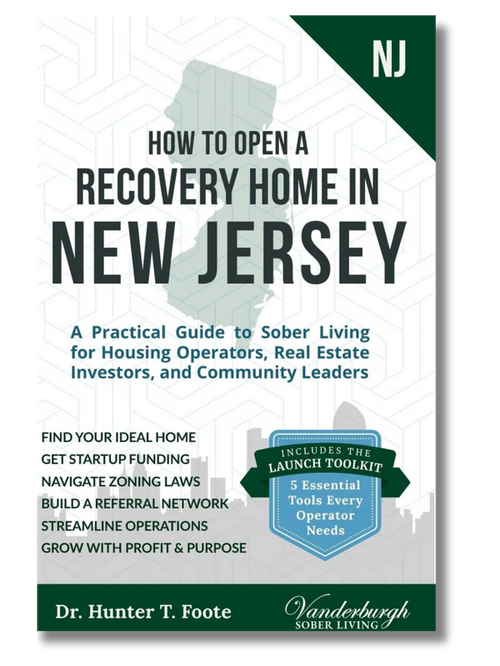
If you are also exploring how sober living works from the operator side, you can learn more in the Vanderburgh Sober Living book on How to Open a Sober Living Home in New Jersey, which breaks down the structure, requirements, and practical considerations behind running a sober living home.