How to Start a Sober Living Home in Connecticut
Thinking about opening a sober living home in Connecticut? Certification is one step. Vanderburgh Sober Living helps operators work through the property, the entity, the policies, the certification application, and filling the beds.
The Connecticut Alliance of Recovery Residences (CTARR) is the state's certification agency for sober living homes and operates in alignment with NARR standards. This guide explains sober house certification in Connecticut so residents, families, and referral partners can understand how certification works and what it signals. It also shows how to verify a certified sober home in Connecticut and outlines how operators approach CTARR certification.
Who Certifies Sober Living Homes in Connecticut?
The Connecticut Alliance of Recovery Residences (CTARR) is the primary Connecticut certification agency for sober living homes and manages through standards, inspections, and ethical oversight.
CTARR certification reflects alignment with nationally-recognized sober living home standards while also addressing state-specific expectations. The organization provides training, guidance, and review to support quality across Connecticut sober house certification programs.
The Connecticut Department of Mental Health and Addiction Services plays a separate role by listing certified Connecticut sober living homes that are reported to the state, but it does not certify or oversee sober living homes. This distinction helps clarify that CTARR is the primary pathway for Connecticut sober living certification.
To verify a sober living home in Connecticut, use these steps:
- Check the official CTARR directory of certified sober living homes in Connecticut
- Confirm that the sober living home in Connecticut appears on the active CTARR certification list
- Review any available CTARR certification details provided in the listing
- Use the Connecticut listing page for additional context
These steps support transparency and help strengthen confidence in Connecticut's sober house certification.
What Sober House Certification Means in Connecticut
CTARR certification represents a structured system of standards, accountability, and oversight for sober living homes.
It signals that a sober living home in Connecticut follows defined expectations related to safety, ethical operations, and resident support. Certification reflects a process that includes review of documentation, evaluation of policies, and inspection of the sober house environment. These steps indicate that the Connecticut sober living home aligns with established recovery housing principles rather than operating without oversight.
Connecticut sober living certification also emphasizes consistent rules, protection of resident rights, and a recovery-focused setting. CTARR-certified sober houses follow a code of ethics that supports fair treatment, accurate communication, and appropriate placement for residents.
These elements help distinguish a certified sober living home in Connecticut from an uncertified option that may not follow structured standards.
Why Connecticut Sober House Certification Matters
CTARR certification plays a key role in helping different groups evaluate sober living options with clarity and confidence.
For Residents
CTARR certification may indicate that a sober living home in Connecticut provides a structured environment aligned with recognized recovery housing standards. It reflects expectations for safety, consistency, and peer-supported living that can support long-term recovery goals.
For Families
Connecticut sober house certification offers a clearer way to evaluate whether it follows established guidelines. CTARR certification can provide reassurance that the sober house has undergone review and aligns with ethical and operational standards.
For Referral Sources
For professional referral sources, Connecticut sober living certification helps identify sober living homes that meet consistent standards and expectations. CTARR certification supports placement decisions by signaling that a sober living home in Connecticut has been reviewed for quality, structure, and compliance with recovery housing principles.
About NARR and Why It Matters in Connecticut
The National Alliance for Recovery Residences sets national standards for recovery housing and works with state affiliates to apply those standards at the local level. The NARR-affiliate in Connecticut is CTARR, which uses these standards to guide sober house certification. Many states rely on NARR-aligned organizations to support consistency, quality, and accountability in sober living certification systems.
How to Open and Certify a Sober Living Home in Connecticut
Opening and certifying a sober living home in Connecticut involves preparation followed by a structured certification process through CTARR.
Opening a New Sober House in Connecticut
Before applying for sober house certification in Connecticut, operators prepare their sober living home to align with expected standards.
- Establish a recovery-focused model: Define how the sober living home in Connecticut will support residents in a structured and peer-supported environment
- Develop policies and procedures: Create clear guidelines, including house rules, that outline expectations, safety practices, and daily operations
- Secure appropriate housing: Confirm the Connecticut sober house property meets local requirements and supports a safe living environment
- Organize documentation and insurance: Prepare required business records and appropriate coverage aligned with the Connecticut sober living home model
👉 Learn how to start a sober living home in Connecticut with this step-by-step guide.
Obtaining CTARR Certification and Connecticut Approval
After preparation, operators move through the CTARR certification process for Connecticut sober living.
- Submit an application to CTARR: Provide required details, documentation, and supporting materials for review
- Complete the review process: CTARR evaluates submitted materials to determine alignment with standards
- Participate in interviews: Operators may engage in discussions about operations, structure, and compliance
- Undergo property inspection: The sober living home in Connecticut is reviewed to confirm safety and operational alignment
- Receive certification status: Successful applicants are included in the CTARR certified directory
- Maintain certification: Continue meeting standards and ethical expectations to remain in good standing
👉 Access the steps needed to complete the certification process here: How to Certify a Sober Living Home with CTARR: The Connecticut Alliance of Recovery Residences
How to Verify a Certified Sober Living Home in Connecticut
Verifying a sober living home in Connecticut involves checking official sources and confirming CTARR certification status.
- Search the CTARR certified homes directory for the sober living home in Connecticut
- Confirm that the Connecticut sober house appears on the active certification list
- Review any certification details provided by CTARR
- Use the DMHAS listing page for additional confirmation and context
- Contact CTARR if information about a sober living home in Connecticut is unclear
These steps explain how to verify a certified sober home in Connecticut using reliable sources.
Ready to Certify Your Sober Living Home in Connecticut?
Certifying a sober living home in Connecticut involves understanding expectations, preparing documentation, and completing the CTARR certification process. Each step builds toward meeting standards that support safe and structured sober housing.
With the right approach, a sober living home in Connecticut may provide a stable and supportive environment for individuals in recovery. A clear process helps operators align with CTARR certification standards and long-term expectations.
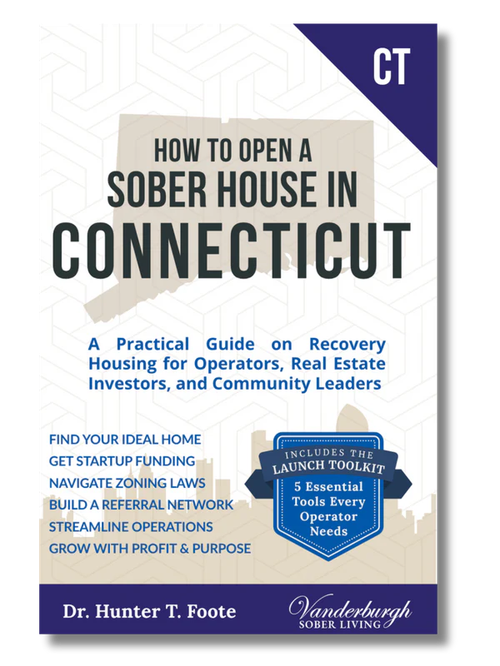
If you are planning to open a sober living home in Connecticut, Vanderburgh Sober Living offers a detailed guide that covers setup, structure, and certification pathways.